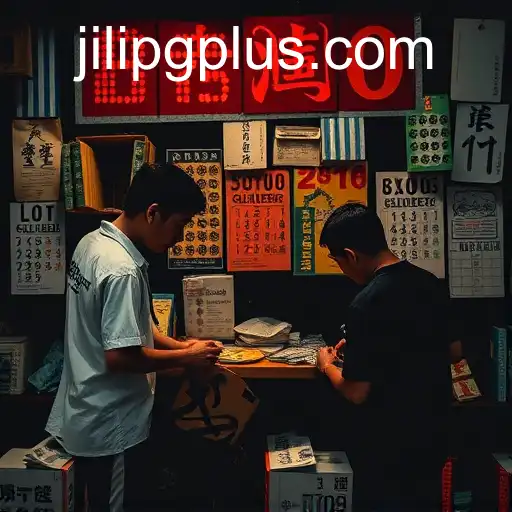
The Intricacies of Jueteng: A Closer Look at the Underground Lottery
Jueteng, an illegal numbers game deeply rooted in certain regions of the Philippines, remains a contentious issue influencing local economies, politics, and social structures. This clandestine lottery has a history dating back several centuries and continues to thrive despite repeated government crackdowns and legal measures. Understanding Jueteng's pervasive influence involves delving into its mechanics, social implications, and the challenging balance between culture and law.
What is Jueteng?
Jueteng, termed locally with the keyword "jilipg," is akin to a numbers game where participants bet on a combination of numbers, hoping their number will be drawn. The draw typically consists of selecting two numbers, usually between 1 and 37, offering various payout schemes depending on the combination chosen. Participants place their bets with collectors known as "cobradores," who in turn report to middlemen referred to as "cabos" or "kabo." These figures are integral in the Jueteng hierarchy and ensure the game's smooth operation.
The Economic Complexities of Jueteng
While Jueteng is illegal, it has woven itself into the fabric of local economies, particularly in rural areas where formal employment is scarce. Many depend on the game not only for potential winnings but also as a source of income, as the game's operations provide jobs for cobradores, cabos, and even local bet shops. The potential for income generation often outweighs the risks associated with the game’s illegal nature.58pp
Moreover, Jueteng's financial impact trickles upwards into local governments. In some instances, local officials have been implicated in Jueteng-related corruption cases, allegedly providing protection or even receiving "protection money" from operators. This underscores the game’s entanglement with political structures.
jl06Jueteng's Social Dimension
Beyond economics, Jueteng plays a significant social role in communities. The frequent betting and anticipation of results foster a sense of community among players. In areas where social activities are limited, Jueteng provides a shared experience and engagement, becoming part of daily life for many.Jili Ace
earn phpCritics, however, argue that the game's pervasiveness contributes to social decay, encouraging the populace to rely on luck and gambling rather than seeking sustainable development avenues. The game's addictive nature can also lead to financial ruin for individuals and families, exacerbating poverty in already struggling areas.
Legal and Political Ramifications
jilip8The Philippine government has long recognized Jueteng as a problematic issue, leading to various crackdowns and legislation aimed at eradicating it. Despite these efforts, Jueteng's deep roots and the complexity of its operations make it a difficult target. Attempts to legalize similar games, like the government's "Small Town Lottery" (STL), aim to curb Jueteng's prevalence by providing a legal alternative. However, effectiveness in fully supplanting Jueteng remains limited.
Jueteng also plays a critical role during elections. There are documented instances where Jueteng operators wield considerable influence, affecting local elections by funding campaigns or securing votes. This political entwinement makes dismantling the game challenging, as political will may be swayed by these influential figures.
The Cultural Context
Understanding Jueteng requires recognizing its cultural significance. It is not merely a numbers game but an entrenched tradition reflecting broader socio-economic issues. The resilience of Jueteng despite legal and social opposition suggests an adaptive mechanism within communities to express autonomy and challenge formal economic structures.
Efforts to confront Jueteng call for more than legal tools; they require cultural and educational strategies to provide alternative outlets and opportunities. Enhancing economic opportunities and providing civic education can offer tangible options beyond gambling, helping to loosen Jueteng's grip on local communities.
A Path Forward
While the road to eradicating Jueteng is fraught with challenges, recognizing its intricate dynamics offers a starting point. Governments, civic societies, and local leaders must collaborate to find viable solutions that address Jueteng’s economic and social roles, providing alternatives that empower communities. The vision is not only to combat the illegal game but to uplift communities by transforming socio-economic realities that perpetuate its existence. Exploring comprehensive legal reforms combined with grassroots socio-economic initiatives can pave the way to a future where games like Jueteng no longer serve as economic or social band-aids.